

Managing your health through a blood glucose meal plan requires a shift in how you view nutrition. By focusing on balanced portions and nutrient-dense ingredients, you can significantly improve your daily energy levels and long-term metabolic markers. This strategy prioritizes stable energy release rather than restrictive deprivation, making it a sustainable way to eat for anyone concerned about their sugar levels.
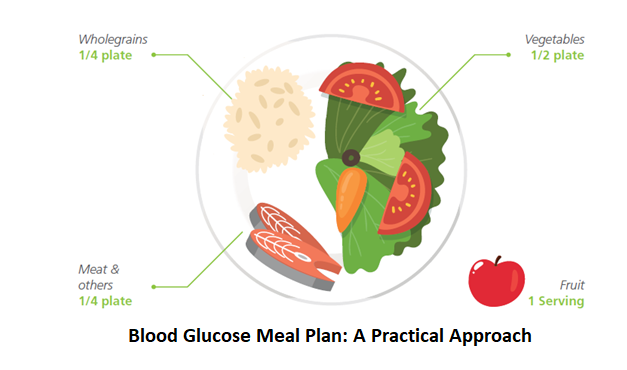
The most effective approach for a blood glucose meal plan is the “diabetes plate method,” which provides an immediate, visual framework for every meal. To use this, fill half of your plate with non-starchy vegetables, one-quarter with lean protein, and one-quarter with complex carbohydrates.
This simple ratio helps control portions without the need for constant, tedious calorie counting. If you are looking for official guidelines on nutritional standards, the American Diabetes Association provides extensive resources on recommended daily intakes.
Understanding Glycemic Impact
Understanding how specific foods influence your body is the foundation of any successful dietary strategy. Carbohydrates are the primary drivers of spikes, but not all sources affect you in the same way. Refined grains and sugary beverages cause rapid increases, while fiber-rich options digest slowly, keeping your levels steady.
You should focus on the glycemic index as a tool for ranking foods based on their impact. Low-index choices include leafy greens, legumes, and most berries. High-index foods like white bread and processed snacks should be limited to prevent sharp, unwanted fluctuations throughout your afternoon.
Strategic Protein Integration
Protein plays a critical role in slowing the absorption of glucose into your bloodstream. By pairing a carbohydrate with a high-quality protein source, you effectively “buffer” the digestive process. This combination is why a snack of an apple with a tablespoon of peanut butter is better than the apple alone.
Consider incorporating lean meats, tofu, eggs, or Greek yogurt into your routine to ensure you feel satisfied. Protein also supports muscle maintenance, which is vital because muscle tissue is a primary site for glucose disposal. Keeping your muscles active and nourished is a key part of long-term metabolic health.
The Role of Fiber in Stability
Fiber is an often-overlooked hero in the management of sugar levels. Soluble fiber, found in oats, beans, and certain fruits, forms a gel-like substance in your gut that slows down the breakdown of nutrients. This process prevents the “crash” that often follows a high-carbohydrate meal.
Aim for at least 25 to 30 grams of fiber per day from whole food sources. Vegetables like broccoli, Brussels sprouts, and carrots are excellent choices that add volume to your meals without adding excessive calories. When you increase your fiber intake, remember to drink plenty of water to help your digestive system process these additions effectively.
Building a Balanced Weekly Menu
Effective meal planning requires a bit of preparation to ensure you aren’t caught off guard by hunger. Start by selecting two or three breakfast options, a few lunch recipes, and a handful of dinner staples. Rotating these throughout the week prevents boredom while keeping your grocery shopping efficient and affordable.
| Meal Type | Recommended Focus | Example Food |
|---|---|---|
| Breakfast | High Protein & Fiber | Oatmeal with chia seeds |
| Lunch | Non-starchy Veggies | Grilled chicken salad |
| Dinner | Healthy Fats & Lean Meat | Baked salmon with asparagus |
| Snack | Low Glycemic Index | Handful of raw almonds |
Managing Portion Sizes
Portion control is just as important as food quality when maintaining stable numbers. Even healthy foods can cause significant spikes if consumed in large, concentrated amounts at one sitting. Using smaller plates or measuring cups can help retrain your brain to recognize appropriate serving sizes.
Be particularly mindful of calorie density in items like oils, nuts, and seeds. While these are heart-healthy, they are energy-dense and should be included in moderation. A simple way to check your portions is to use your hand as a guide; a palm-sized portion of protein and a fist-sized portion of vegetables is a good baseline.
Hydration and Its Hidden Effects
Water intake is frequently ignored in discussions about sugar levels, yet it is essential for metabolic regulation. Dehydration can cause your blood concentration of glucose to rise because there is less fluid volume in your system. Aim for consistent water consumption throughout the day rather than chugging large amounts at once.
Avoid liquid calories such as sodas, sweetened teas, and fruit juices, as these are the fastest ways to spike your levels. If you find plain water boring, infuse it with cucumber slices, mint, or a squeeze of lemon. Staying well-hydrated helps your kidneys flush out excess sugar, supporting your body’s natural filtration processes.
Common Dietary Pitfalls
Many people struggle because they attempt to change their entire lifestyle overnight. Instead of eliminating every favorite food, focus on “crowding out” less nutritious choices with better options. If you crave sweets, try satisfying that urge with a small serving of dark chocolate or fresh berries instead of processed cookies.
* Avoid skipping meals, as this can lead to overeating later.
* Read food labels to identify hidden sugars in sauces and dressings.
* Prioritize whole foods over packaged, “low-sugar” alternatives.
* Keep a food journal for one week to identify personal triggers.
* Plan your meals around seasonal produce to improve nutrient density.
Frequently Asked Questions
What is the most effective meal to lower blood sugar?
There is no single “magic” food, but meals high in soluble fiber and protein are the most effective at stabilizing levels. A large salad with grilled chicken, avocado, and olive oil dressing is a prime example of a meal that won’t cause a spike.
What is the 3-3-3 rule for diet planning?
The 3-3-3 rule is a simplified guideline suggesting you eat three meals a day, with three distinct food groups on your plate, spaced three to four hours apart. It helps maintain a consistent metabolic rhythm and prevents the hunger-driven spikes associated with skipping meals.
Can a person with diabetes eat sandwiches?
Yes, you can eat sandwiches, provided you choose the right ingredients. Opt for whole-grain or sprouted-grain bread, add plenty of leafy greens, and use a lean protein like turkey or tuna. Avoid heavy spreads like mayonnaise and choose mustard or hummus for flavor.
How often should I eat to keep levels stable?
Most people find success by eating every four to five hours. This timing prevents your levels from dropping too low, which can trigger cravings, while also avoiding the massive influx of glucose that comes from a giant, infrequent meal.
Is fruit off-limits in a blood glucose meal plan?
Fruit is not off-limits, but it should be consumed in moderation and paired with a fat or protein. Berries, cherries, and citrus fruits are excellent choices because they have a lower glycemic impact compared to tropical fruits like pineapple or mango.
Establishing Long-Term Habits
Consistency is the ultimate driver of success when you are working to manage your health through nutrition. It is far better to follow a manageable, moderate plan for years than to attempt a perfect, restrictive diet for only a few weeks. Allow yourself flexibility for special occasions, then return to your standard routine the following day.
Focusing on the quality of your ingredients and the balance of your plate will naturally lead to better outcomes over time. By prioritizing whole foods and steady habits, you create a sustainable blood glucose meal plan that supports your body’s needs.
Monitor how you feel after meals, adjust your portions as necessary, and remain patient with the process. Your health is a long-term investment, and every small, intentional choice you make today contributes to a more stable and energetic future.
